


Our History
History Of Our Club

Our memorable journey
Founding Year (1960)
Founding of the Kimberley Pony Club (1960)
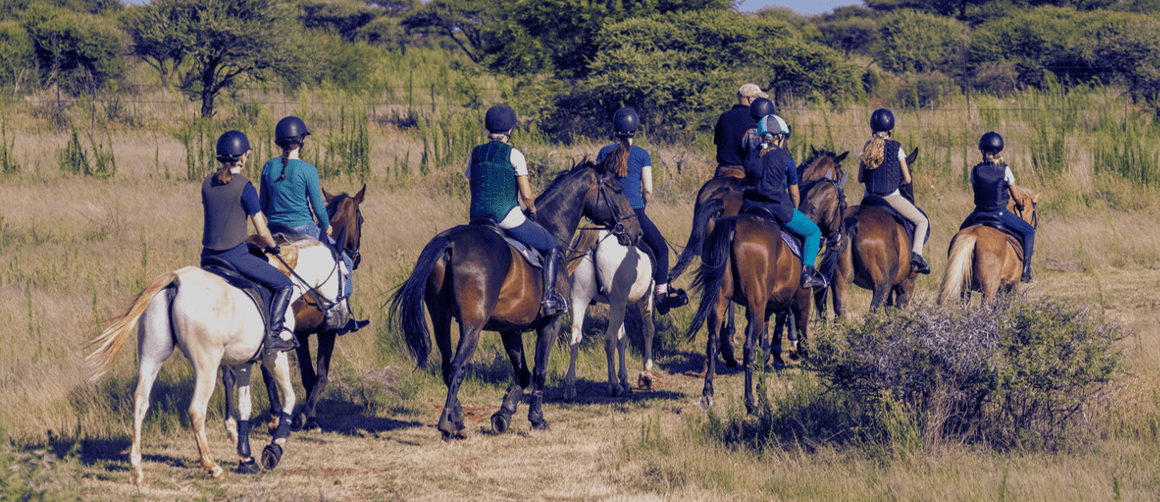
The Kimberley Equestrian Centre (fondly known as “The Club”) was first established in 1960 as the Kimberley Pony Club. De Beers Consolidated Mines supported the Club’s establishment and provided grounds for the Club’s use: the old De Beers Hospital Stables, which had been used for housing mules and horses being trained to pull Coco Pans in the mines.
Lotter & Meyer (1960 - 1968)
Early Growth and First Instructors (1960–1968)
At its’ inception the Club had one groom, eleven riders and three ponies. Within a year, it boasted 30 riders, and the stables were full to capacity. Membership was limited to riders eight years and older who had their own ponies, which were mostly sourced from the large herds that ran on local farms at that time. Boet Lotter was the Club’s first instructor, and was succeeded within a few months by Matie Meyer, who continued as instructor until his death in 1968. Matie was an accomplished Show jumper, and the Club’s young riders were soon successfully competing in the Junior Division at the annual Kimberley Show.
New Coaches - Late 1960's
New Coaches and First Generation Riders (Late 1960s)
Fiona Barbour added a fresh approach when she joined the coaching team in the late 60s, and Dick Talbot also assisted with coaching. Among the first generation of riders were Mike Hall, Peter and Colin Blanckenberg, Ricky Talbot, Rancher Booth, Jonty Sandler, and the Croft and McDonald families. Amazingly, one of these riders, Ricky Talbot, remains actively involved in the Club today!
Dronfield - Late 1960s–Early 1970s
Riding Days and Outrides (1960s)
Wednesdays and Saturdays were official riding days, and all riders were expected to take part, with horses and tack polished to a shine. Besides arena work such as jumping, flatwork and gymkhana games, the riders benefited from regular outrides into the adjacent farms, such as Dronfield Nature Reserve, and riding on the Mine Dumps.
Exponential Growth (1970–1979)
Expansion and Accomplished Riders (1970–1979)
KEC grew exponentially during the 1970s, producing some of South Africa’s most accomplished riders, such as Barry Taylor, Michael Benjamin, Rogan Asken, Lachlan McLachlan, Arina Petit (nee Devenish) and Jaco Gertenbach. Instructors during the 1970s were Ricky Talbot, Fiona Barbour, and Robert McLachlan. The facilities were expanded to include a first-class grass jumping arena plus additional practice arenas, more stables, a clubhouse and tea room, and a challenging Cross Country Track. The club offered a wide range of activities, adding Polocrosse to the existing Show Jumping, Dressage, Showing, Gymkhana and Outrides available.
National to World Stage (1970–2000)
Premier Show Hosting Venue (1970–2000)
It was in the 1970s that KEC began hosting large National shows, as part of the Winter Circuit. Since then KEC has strived to be the premier Show Holding Venue in central South Africa, hosting in addition to regular Provincial Shows, the prestigious SA Junior Championships in the 1980s, a number of World Cup Qualifier Jumping Shows in the early 2000s, an annual Diamond Show, the SA Adult Dressage Championships, amongst others.
Member-Led Growth (1985 – Present)
Mid-1980s–Present: Member-Run and Guiding Principles
Since the mid-1980s the Club has been self-sufficient and run entirely by its members, initially as a voluntary association, and more recently as a Non-Profit Company. The aims of the club, as stated in the Constitution of 1985 are “to encourage, promote and foster horse riding and other aspects of equitation and related activities” and “to cultivate in the members of the club a love for and understanding of horses and horsemanship”. These remain KEC’s guiding principles. The Club’s motto “happy horses, happy riders” reflects our ongoing focus on producing confident all-rounders.
History Of The Thunder Cup
Our memorable journey
Thunder Cup Legacy (2003)
Birth of The Thunder Cup (2003)
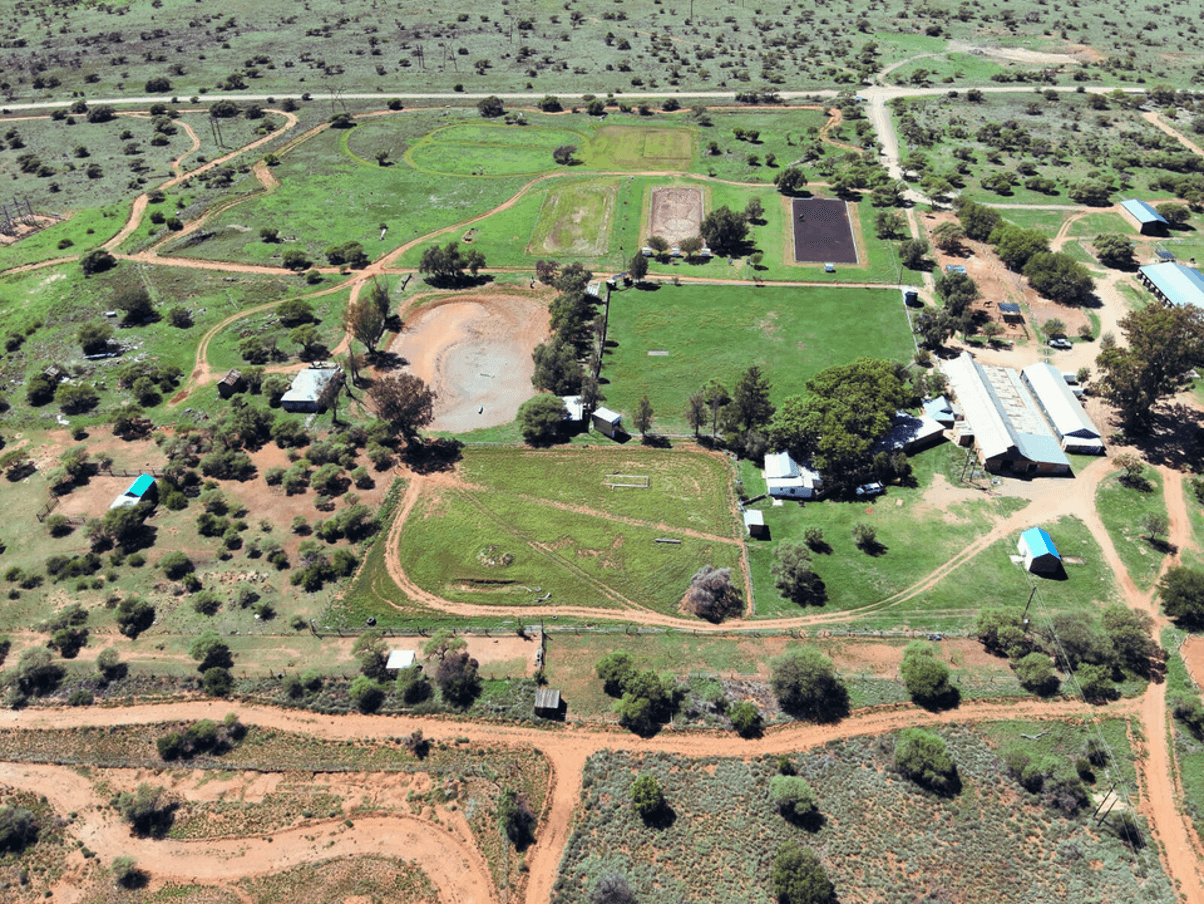
The Thunder Cup Competition was born in 2003, named after a pony called Thunder. Since its inception, the Thunder Cup has become a signature event in KEC’s calendar, reflecting the Club’s tradition of combining competitive spirit with community pride.
Thunder and Ricky Talbot (1960–1968)
From Farm Pony to Champion (1960–1968)
Thunder was a farm pony, purchased in 1960 for the princely sum of R15. All his schooling was done at the Kimberley Equestrian Centre by Ricky Talbot. Together, Thunder and Ricky progressed through the grades to qualify for the Free State & Northern Cape Junior Showjumping team four times. The pair achieved notable success, placing 2nd and 3rd in the Individual South African Championships.
From Talbot to Sandler and Davids - (1968–1970s)
Thunder’s Winning Partnerships (1968–1970s)
After his early years with Ricky Talbot, Thunder was sold to Jonty Sandler and once again competed in the South African Junior Individual Showjumping Championships — this time winning the title. The following year, Thunder was sold to the Davids family, where he continued to shine, earning another placement in the SA Championships as part of the showjumping team.
Legacy with the Talbots (1970s–Retirement)
Thunder’s Final Years (1970–Retirement)
Thunder spent his competitive life at the Kimberley Equestrian Centre, and when he retired he enjoyed the rest of his days with his original family, the Talbots.
Inspired by Thunder (2003–Present)
Growth of the Thunder Cup (2003–Present)
Jonty Sandler later gave a generous donation to KEC in honour of Thunder — the exceptionally brave and willing pony — which inspired the first Thunder Cup Show in 2003. From its humble beginnings, the Thunder Cup grew from strength to strength, becoming one of the biggest shows on the old Free State & Northern Cape calendar. Today, under the new provincial structure, it remains a popular event in the Northern Cape, attracting riders from across South Africa.
Thunder Lives On (2003–Present)
Annual Thunder Cup Event (2003–Present)
Today, the Thunder Cup continues as an annual multi-disciplinary event on the calendar, held every October. It remains one of the Northern Cape’s most popular shows, attracting riders from both the Free State and Northern Cape, as well as competitors from other provinces.
What's going on at KEC? Read on our Blog...

How Do I Begin? Three Options To Riding A Horse
Discover three beginner‑friendly ways to start horse riding 🐴—hire, lease, or own. Learn the pros, costs, and benefits of each option at Kimberley Equestrian Centre, and find the path that fits your riding goals today.

What is Western Mounted Games?
Western Mounted Games is a fast‑paced equestrian sport of speed, agility, and precision, featuring timed gymkhana patterns and inclusive competition.
What is cross country riding?
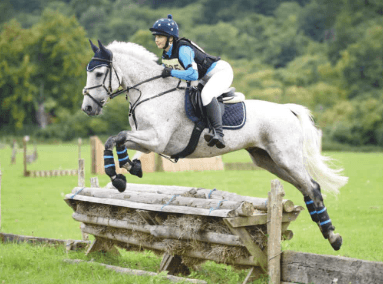
Cross-country (XC) horse riding is an equestrian discipline where horse-and-rider teams gallop over long outdoor courses, tackling varied, natural terrain and solid, immovable obstacles. The sport tests the horse's endurance, bravery, and conditioning, as well as the...

What is showjumping?
Show jumping is an equestrian sport where horse and rider navigate a set course of obstacles in a specific order, aiming to clear all the jumps in the fastest time with the fewest penalties (or “faults”).